
29 Sept 2026
A safe road starts long before the first vehicle drives on it. Every highway project rests on thousands of precise decisions: where material is placed, how much soil comes out, where the surface is graded, and whether the finished terrain matches the engineering design. Traditionally those decisions have leaned on stakes, string lines, manual measurements and the experience of the operator in the cab.
GNSS and IMU based machine control changes how contractors approach earthmoving and grading in road construction. By giving the machine continuous information about its own position and the design surface it is working toward, machine control helps operators work more precisely, cut rework and hold the same standard across a long project. The benefits do not stop at the site boundary either, because the road that results is the one drivers use for the next thirty years.
Road construction puts large machines, moving materials, uneven ground, open excavations, live traffic and people into the same space. Every unnecessary machine movement, every manual measurement taken next to a working excavator, and every correction pass adds exposure to those hazards. Reducing the number of times anyone has to be there is one of the most practical construction safety measures available to a contractor.
Machine control removes part of the uncertainty by comparing the machine position with the digital design in real time. Instead of relying on visual references and frequent manual checks, the operator sees where the machine sits relative to the intended surface and grade, and the earthmoving process becomes more controlled.
The most direct safety benefit is that fewer people need to walk into the area where heavy equipment is operating. Traditional staking and grade checking put surveyors and grade checkers close to excavators, graders, dozers and trucks, often repeatedly through the day.
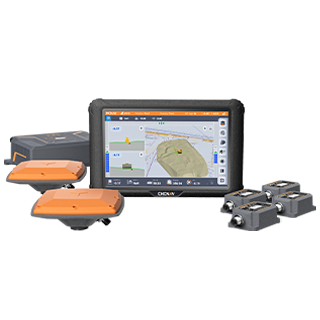
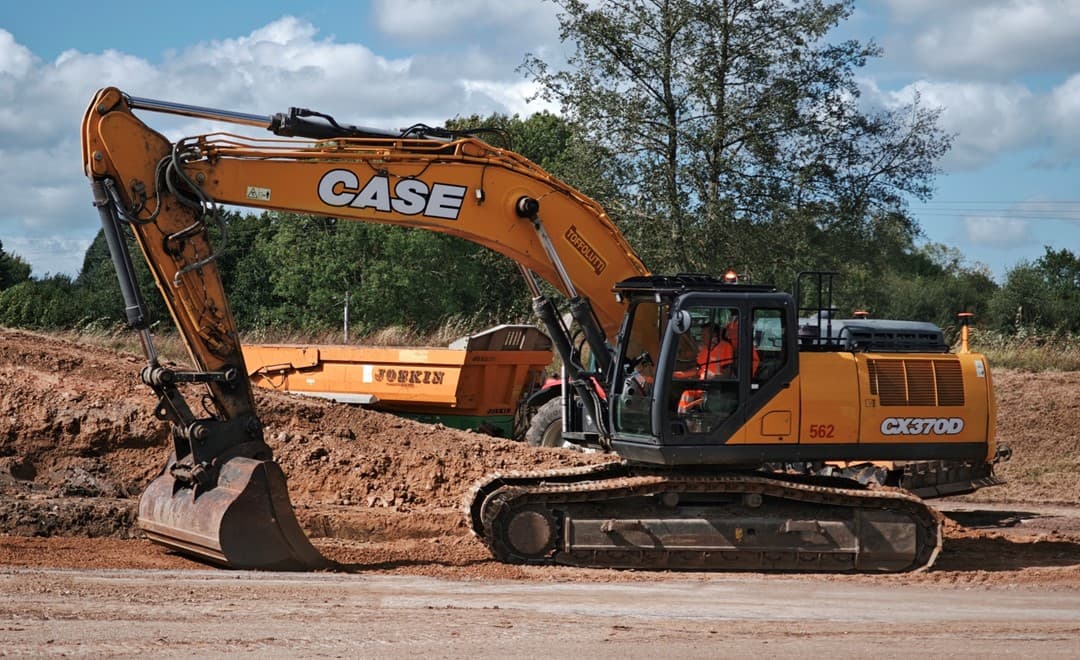
Our excavator machine control systems use dual GNSS and IMU technology with EX-Tech to give the operator real time bucket positioning in the cab. That reduces the dependence on manual staking and lets the operator work without waiting for someone to check a physical grade reference. Fewer people moving around live machinery means fewer opportunities for equipment and personnel to meet.
A road is only as good as the layers underneath it. Before asphalt or concrete is placed, the subgrade and structural layers have to be built to the designed elevations and geometry. Over-excavation means material removed and then replaced at cost; under-excavation leaves work that has to be corrected later, usually when the machine has already moved on.
Precise machine guidance helps the operator dig to the digital design instead of to an estimate, so the required elevation is reached closer to the first attempt. On a highway project, small deviations repeated over kilometers stop being small, and every corrective pass is another hour of a heavy machine moving around a working site.
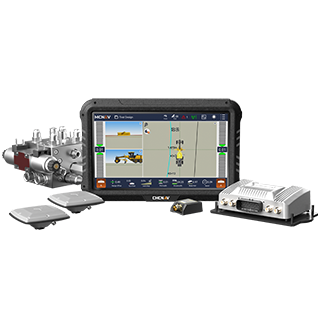
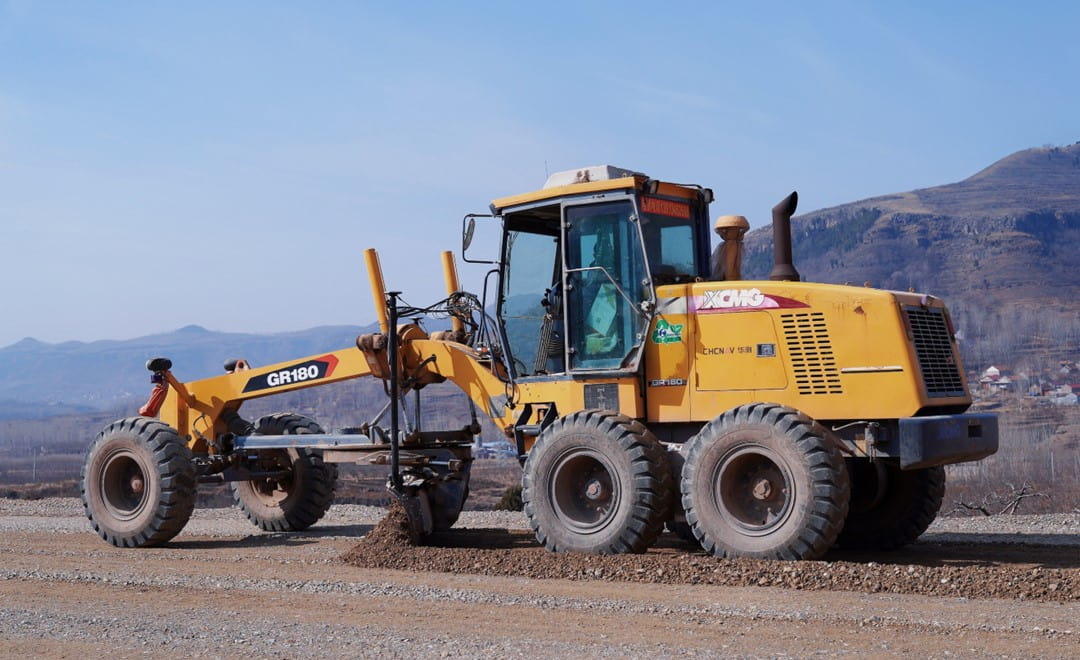
The grader creates the final geometry of the road surface. Cross slopes, elevations, transitions and alignment all have to match the engineering design. Our grader control systems combine dual GNSS positioning with GR-Tech to deliver 3D positioning and automated blade control, so the operator works against the digital model rather than estimating blade height against a string line.
Drainage is where that consistency shows up years later. Water is one of the main causes of road deterioration, and surfaces and surrounding terrain have to be built to the elevations and slopes that move water where the design intends. Grading that follows the model helps those slopes and drainage features get built as drawn, which is one of the quieter ways accurate earthmoving contributes to how the finished road performs.
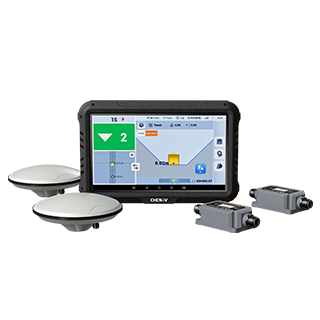
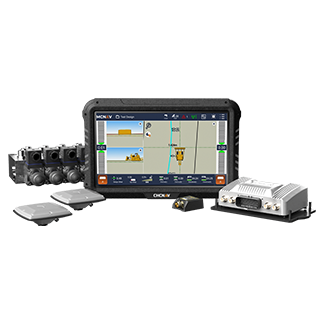
Dozers do the large scale earthmoving that establishes the terrain for a highway. Our dozer control systems use dual GNSS positioning and IMU technology to provide 3D position and heading for blade control, so the machine works toward the digital terrain model with its orientation known at all times. On a large job that turns bulk earthmoving from an estimation exercise into something measurable and repeatable, and it means fewer passes to reach the same result.
Road construction rarely happens under ideal conditions. Dust, darkness, rain, changing terrain and large work areas all make physical references harder to see and harder to trust. A digital reference stays available whether or not a stake is visible from the cab.
This does not replace operator awareness or site safety procedures. It adds a layer of information that helps the operator understand where the machine is and what surface it is working toward, at the times when looking out of the window is least reliable.
The value of machine control is clearest when the whole chain is laid out, because each step depends on the accuracy of the one before it.
Machine control is not simply an operator convenience. It is the link between digital engineering data and the physical road, which is why accuracy during construction keeps mattering long after the equipment has left. Road geometry influences how vehicles behave, and grades, cross slopes, transitions, drainage and surface uniformity all contribute to how a road performs in different conditions.
None of that makes machine control responsible for whether a road is safe. Engineering design, materials, construction quality, inspection, pavement standards, signage and maintenance all carry their own weight. Executing the design accurately is one part of the process, and it is the part that happens while the machines are still on site.
Technology does not replace the operator. The systems that work best are the ones that give an experienced operator better information and more control over the work. The operator still reads the site, watches the surroundings, follows the safety procedures, talks to the crew and responds when conditions change.
What machine control adds is precise, real time awareness of where the machine is relative to the design. For the crew that can mean fewer people exposed to active work areas, fewer unnecessary passes and less guesswork. For everyone who uses the road afterwards, it contributes to infrastructure that reflects what the engineers drew.
A safer highway is the result of many disciplines working together, but it begins with getting the fundamentals right. The terrain has to be prepared correctly, the road has to follow its intended geometry, the drainage features have to be built as designed, and the crew has to be able to do all of it without unnecessary exposure to hazards.
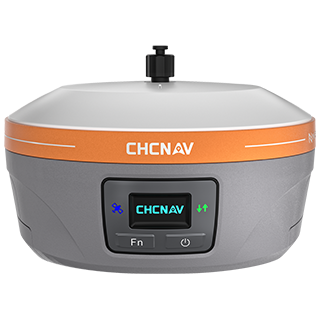
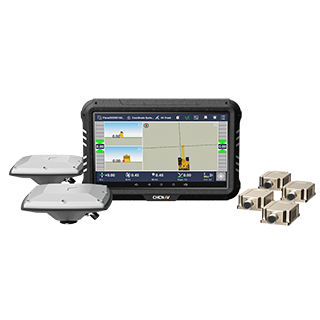
Our machine control systems bring high precision GNSS, IMU technology and machine specific control to excavators, graders and dozers. By showing operators exactly where their machines are and how the work relates to the digital design, they help contractors build with greater precision and consistency.
The road safety journey begins long before the first driver enters the highway. It begins with how accurately the road is built.
CHC Navigation (CHCNAV) develops advanced mapping, navigation, and positioning solutions designed to increase productivity and efficiency. Serving industries such as geospatial, agriculture, machine control and autonomy, CHCNAV delivers innovative technologies that empower professionals and drive industry advancement. With a global presence spanning over 140 countries and a team of more than 2,200 professionals, CHC Navigation is recognized as a leader in the geospatial industry and beyond. For more information about CHC Navigation [300627.SZ], please visit: https://machine-control.chcnav.com/about/overview.
Have a question about our machine control systems?